
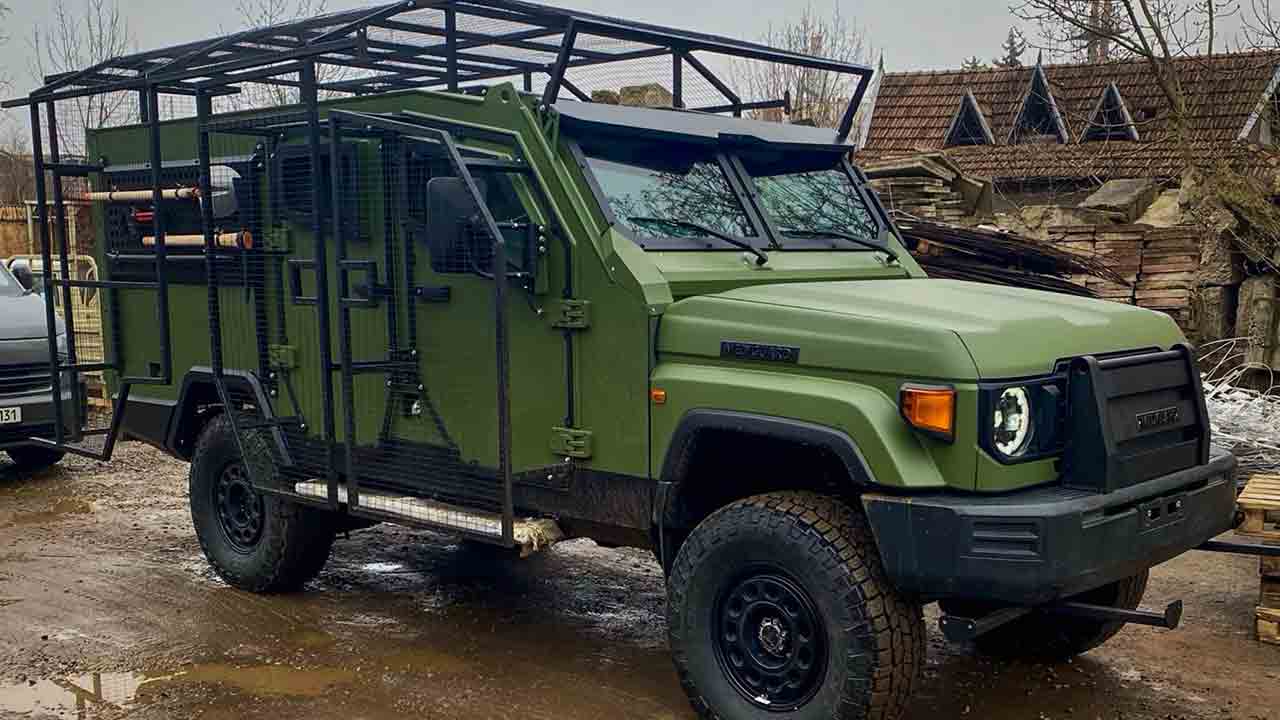
Germany has delivered five more MEDIGUARD armored medical vehicles to Ukraine’s National Guard, expanding support for evacuation and treatment efforts in combat zones.
The handover was carried out by the military attaché of the German Embassy in Kyiv and officially announced by the German diplomatic mission in Ukraine through its Facebook page.
According to the embassy, this is the first batch sent under a new larger-scale contract, fully financed by the German government. The initiative strengthens cooperation between Berlin and Kyiv in supplying specialized rescue vehicles for high-risk areas.
The previous delivery had been announced in October 2025, when four MEDIGUARD armored ambulances were already operating on the front line in evacuation missions for wounded Ukrainian servicemen. Since then, battlefield experience has helped guide improvements to the design.
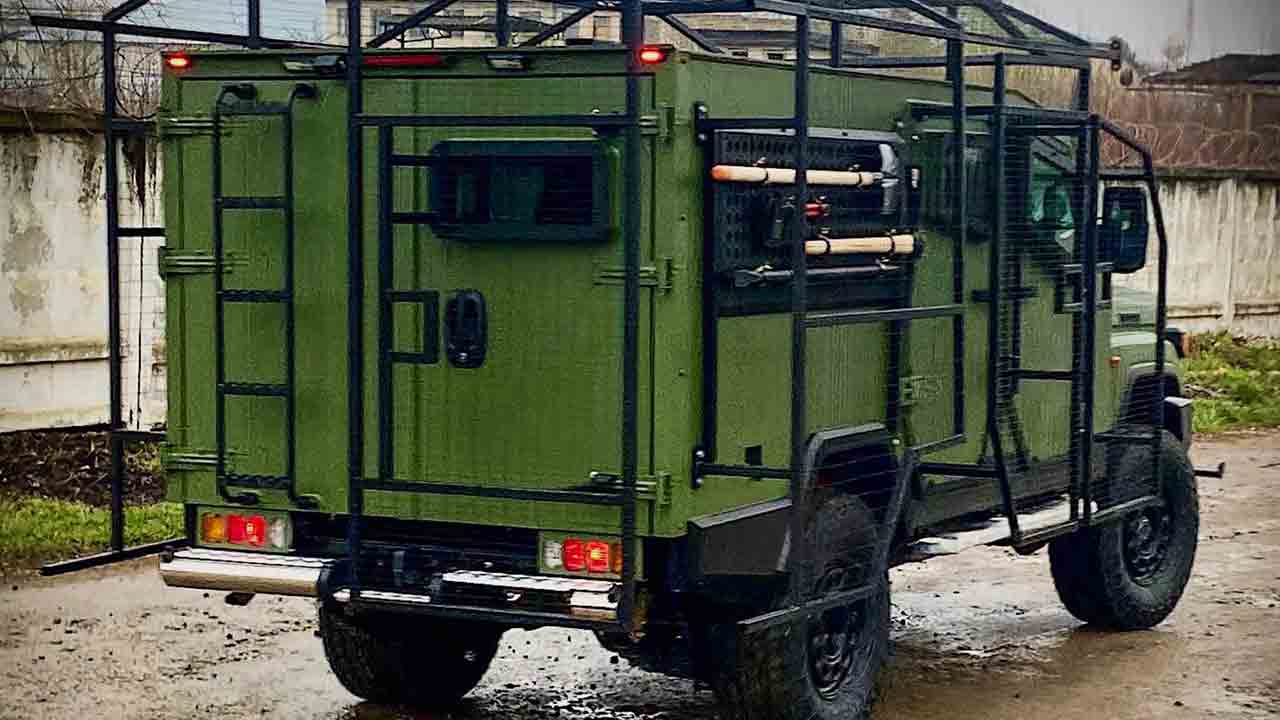
According to the information released, the new batch was developed with the real conditions faced by Ukrainian forces in mind. One of the previously delivered vehicles, for example, reportedly withstood attacks from three Russian drones on the front line. Even under impact, the cabin remained intact and the crew did not suffer serious injuries, reinforcing confidence in the model.
Another notable detail is that, unlike the units delivered in October 2025, the vehicles now being sent already leave the factory equipped with anti-drone nets, specifically designed to increase protection against FPV drone attacks, one of the biggest threats on today’s battlefield.
The MEDIGUARD is the result of industrial cooperation between Ukraine and Germany. The vehicle is jointly produced by three companies from the two countries: the equipment and armored medical modules are manufactured in Germany, while final assembly is carried out on Ukrainian territory using funding provided by the German government.
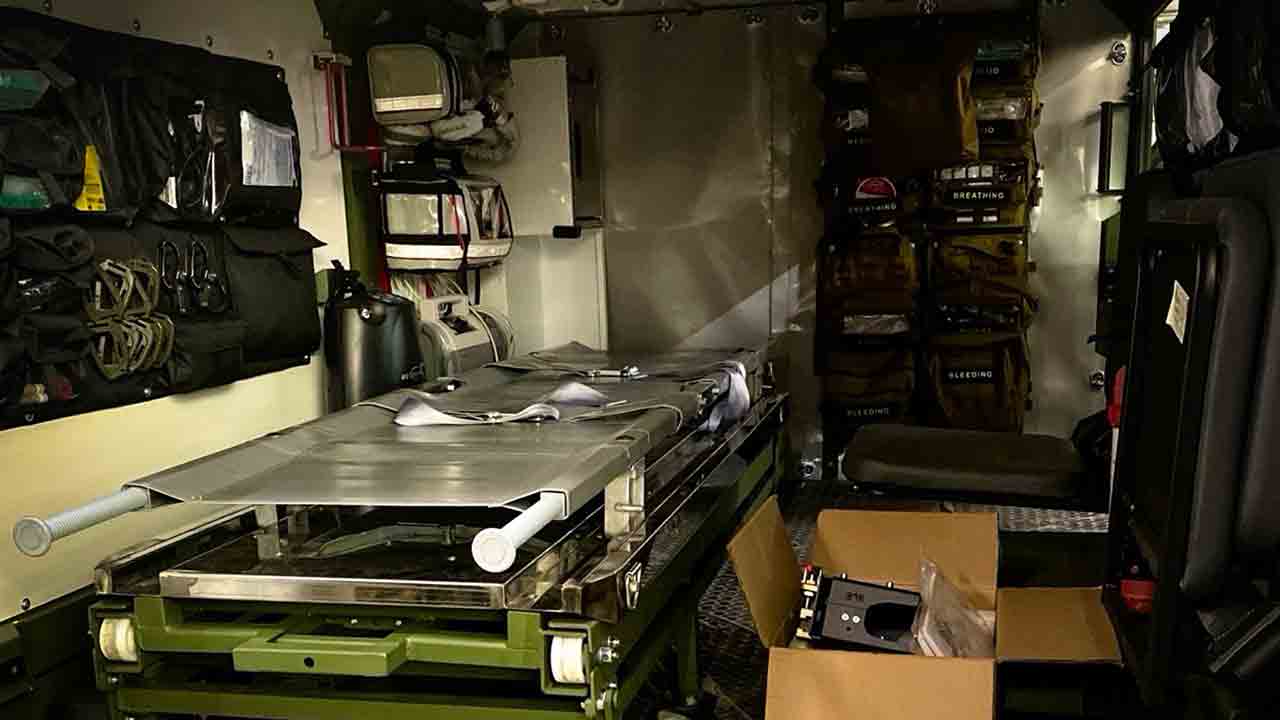
The new delivery highlights the growing importance of armored medical evacuation vehicles in the conflict, in a scenario where rapid rescue and protection for medical teams have become decisive factors in saving lives near the front line.
Source and images: Militarnyi | Facebook @deutschebotschaftkyjiw. This content was created with the help of AI and reviewed by the editorial team.
